
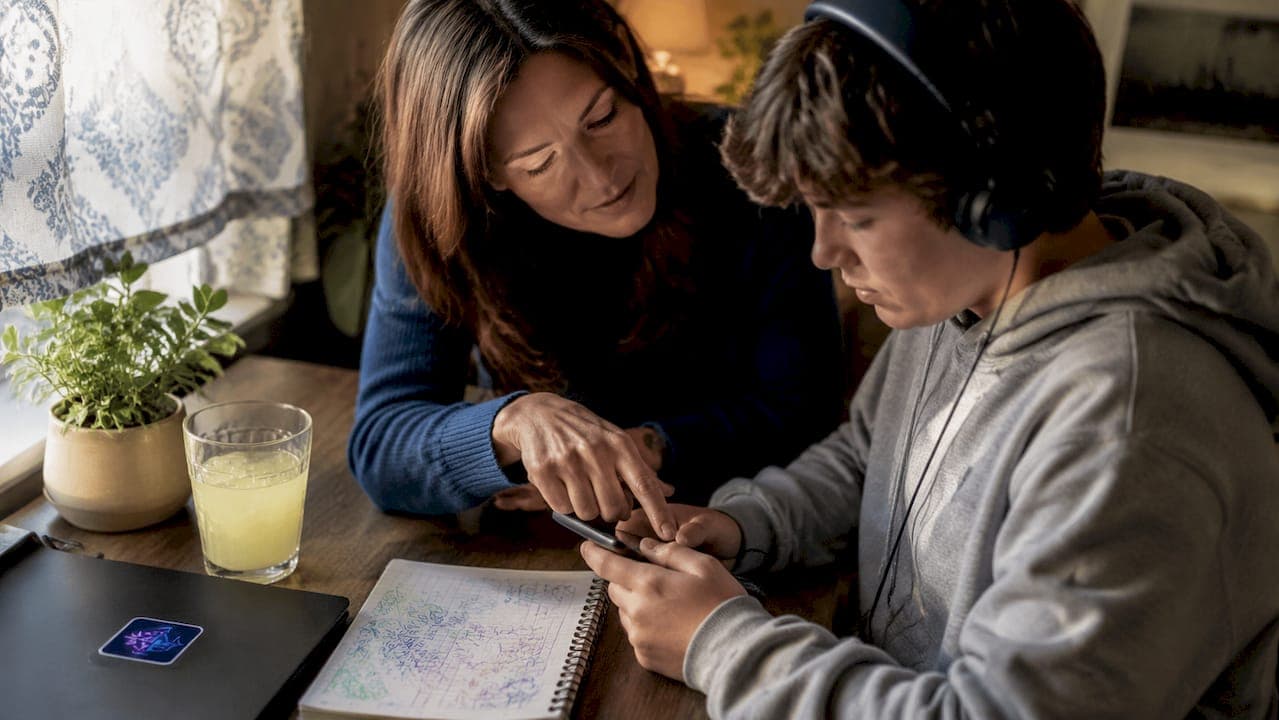
A special education audio resource is any tool that converts written content into spoken audio to help students with disabilities access curriculum material they cannot read independently. These tools include human-read audiobooks, text-to-speech (TTS) software, and specialized audio devices. The Individuals with Disabilities Education Act (IDEA) formally recognizes TTS and audiobooks as essential accessible formats for students with disabilities. Programs like the National Library Service (NLS), Learning Ally, and devices like the Toniebox are the most widely used audio resources for special education today.
What is a special education audio resource?
A special education audio resource is a specialized learning tool that delivers text-based content through sound, removing the barrier of decoding print for students with learning differences. The industry term for this category is accessible audio format, and it covers everything from professionally narrated audiobooks to real-time TTS software. These tools serve students with dyslexia, ADHD, visual impairments, and other conditions that make standard print reading difficult or impossible.
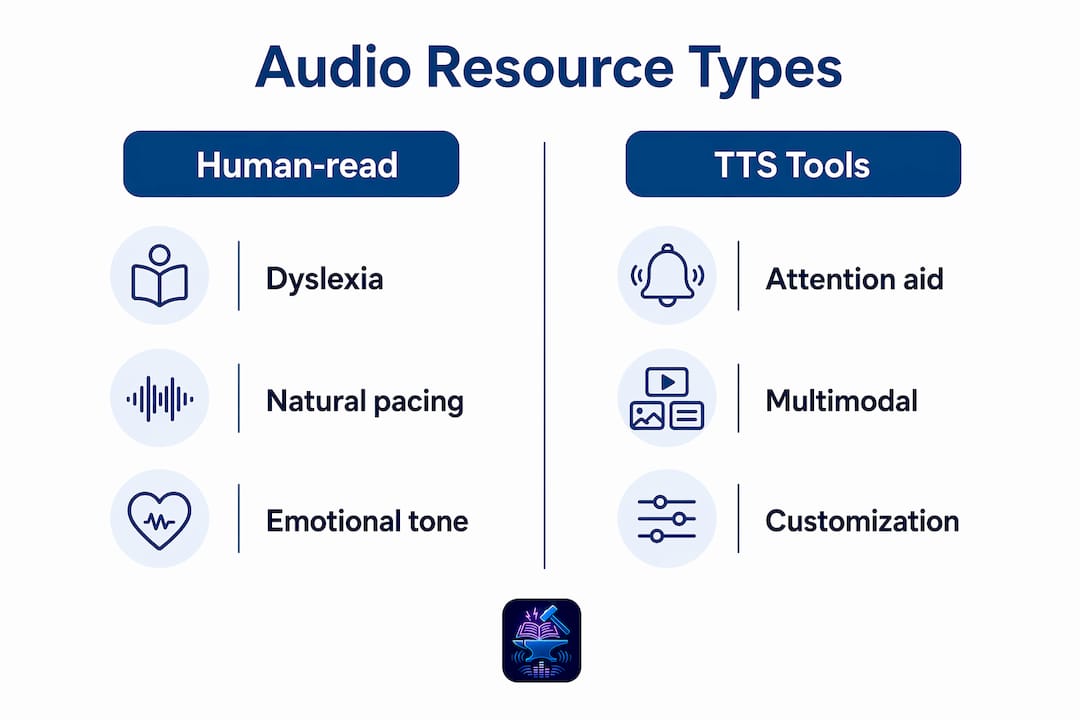
Two main types exist. Human-read audiobooks are recorded by professional voice actors and offer natural pacing, emotional tone, and expressive delivery. TTS software, such as ReadSpeaker, NaturalReader, and Speechify, generates speech from digital text in real time and offers speed and voice customization. Each serves a different need, and understanding that difference is the first step toward choosing the right tool.

Accessible formats also include braille, large print, and digital text, but audio remains the most flexible option for classroom and home use. Audio does not require a student to look at a screen, which matters for students with visual fatigue or attention difficulties.
What types of audio resources are used in special education?
Special education audio programs fall into three broad categories: human-read audiobooks, AI-generated TTS tools, and purpose-built audio devices.
Human-read audiobooks come from organizations like Learning Ally and the NLS. These libraries offer thousands of titles narrated by trained readers, covering textbooks, novels, and reference materials. The narration quality is high, and the emotional delivery supports comprehension in ways that synthetic voices cannot always replicate.
TTS software tools like ReadSpeaker, NaturalReader, and Speechify turn reading into multimodal learning, increasing comprehension and engagement for students with dyslexia, ADHD, and visual impairments. These tools let students adjust reading speed, highlight words as they are spoken, and switch between voices. That level of customization makes TTS particularly useful for students whose IEPs require individualized pacing.
Purpose-built audio devices like the Toniebox offer a third path. The Toniebox supports customized lessons and emotional engagement in classrooms for students with disabilities. Its simple, screen-free design encourages independent listening, which builds student confidence and reduces reliance on adult prompting.
| Resource type | Best for | Key feature |
|---|---|---|
| Human-read audiobooks (NLS, Learning Ally) | Dyslexia, visual impairments | Natural narration, wide title library |
| TTS software (ReadSpeaker, Speechify) | ADHD, dyslexia, processing disorders | Adjustable speed, word highlighting |
| Audio devices (Toniebox) | Early learners, autism, sensory needs | Screen-free, tactile, independent use |
Pro Tip: When selecting a tool, match the format to the student's primary barrier. A student who struggles with attention needs speed control and word tracking. A student with visual impairment needs high-quality narration above all else.
What are the proven benefits of audio resources for students with learning differences?
Audio resources produce measurable gains in comprehension, confidence, and academic performance. A 2026 study conducted in Kerala found that TTS improved comprehension, reduced anxiety, and boosted writing performance for students with specific learning disabilities (SLDs). That finding matters because it shows audio tools do not just help students read. They change how students feel about learning.
The benefits differ by disability type, and that distinction is critical for educators building IEPs.
- For students with ADHD: TTS acts as an external regulator of attention, providing a consistent auditory guide that keeps students on track. A may 2026 eye-tracking study involving junior high school students with disabilities confirmed this effect directly.
- For students with dyslexia: Audio primarily improves reading fluency by removing the cognitive load of decoding. Students can focus on meaning instead of mechanics. Exploring audio support for dyslexia shows how this shift in focus produces lasting gains.
- For students with visual impairments: Human-read audiobooks provide full curriculum access without requiring any print interaction.
- For students with anxiety: Self-paced listening reduces the pressure of reading aloud in class, which is a common trigger for school avoidance.
"Audio resources should be viewed as bridges to comprehension, enabling students to focus on vocabulary and critical thinking by removing the decoding burden." — Maestra AI, 2025
Audio also supports differentiated instruction by letting teachers assign the same content to all students while each student accesses it at their own level. That approach keeps classrooms inclusive without requiring separate lesson plans for every learner.
How can parents and educators access special education audio programs?
Access to specialized audio formats requires certification. The National Library Service requires certification by a competent authority verifying that a student's disability prevents them from reading standard print. This certification governs access to NLS talking books and BARD downloads. Learning Ally follows a similar process, requiring documentation of a qualifying disability.
Here is how parents and educators can get started:
- Document the disability. Gather a current IEP, 504 plan, or a letter from a licensed professional confirming the student's reading barrier.
- Apply to NLS or Learning Ally. Submit the certification through each organization's online portal. NLS services are free. Learning Ally charges an annual membership fee but offers scholarships.
- Set up the tools. Install TTS software on school or home devices. Configure playback speed, font size, and highlighting to match the student's IEP requirements.
- Integrate audio into daily routines. Assign audiobook versions of class texts alongside print versions. Use TTS for homework assignments and standardized test prep.
- Review and adjust. Check in monthly to see whether the student's comprehension and confidence are improving. Adjust speed settings or switch tools if progress stalls.
Implementing audiobooks in classrooms works best when audio is treated as a standard part of the lesson, not a separate accommodation pulled out only when a student struggles.
Pro Tip: Ask the school's special education coordinator whether the district has a site license for TTS software. Many districts have ReadSpeaker or NaturalReader already available at no cost to families.
Nonprofits play a growing role in this space. Organizations like Coreforgeaudio are building accessible audiobook platforms specifically designed for readers with dyslexia, ADHD, and visual impairments, with features like adjustable narration speeds and dyslexia-friendly fonts built directly into the listening experience.
What are practical tips for using audio resources effectively?
The most common mistake parents and educators make is treating audio resources as a last resort. Audio tools work best when introduced early and used consistently, not only during moments of crisis or frustration.
Tailoring the tool to the specific disability produces better results than applying one solution to every student.
- ADHD: Use TTS with synchronized word highlighting. The visual and auditory input together sustain attention more effectively than audio alone.
- Dyslexia: Pair audiobooks with the print version of the same text. Students who follow along in print while listening build decoding skills over time. A structured audiobook listening routine reinforces this practice.
- Early learners and students with autism: The Toniebox works well because it is screen-free and tactile. Students control playback by tilting the device, which builds independence without requiring fine motor precision.
- Students with anxiety: Let students listen privately with headphones before group discussions. That preparation time reduces the fear of being called on unprepared.
Audio should complement other learning modalities, not replace them entirely. Students who only listen and never practice decoding may not build the foundational skills they need for long-term literacy. The goal is to use audio to access grade-level content while simultaneously working on reading skills through targeted intervention.
Pro Tip: Record short audio summaries of key concepts and share them with students before a unit begins. This primes comprehension and reduces the cognitive load of encountering new vocabulary for the first time in a dense text.
Balancing audio with writing, discussion, and visual supports creates a richer learning experience. Audio supplementation in curriculum works best as one layer in a multi-modal approach, not as a standalone fix.
Key Takeaways
Special education audio resources are legally recognized, research-backed tools that improve comprehension, reduce anxiety, and expand curriculum access for students with dyslexia, ADHD, and visual impairments.
| Point | Details |
|---|---|
| Audio resources are formally recognized | IDEA classifies TTS and audiobooks as essential accessible formats for students with disabilities. |
| Benefits differ by disability | TTS regulates attention for ADHD students and improves fluency for students with dyslexia. |
| Access requires certification | NLS and Learning Ally require documented disability verification before granting access. |
| Tools should match the student | Toniebox suits early learners; TTS software suits students who need speed and highlighting control. |
| Audio is a bridge, not a crutch | Pairing audio with print practice builds both comprehension and foundational reading skills over time. |
Why audio in special education deserves more than an accommodation label
I have watched students who were written off as reluctant readers come alive the moment they were handed a pair of headphones and a well-narrated audiobook. The shift is not subtle. It is immediate. The student stops fighting the text and starts engaging with the ideas inside it. That is not a workaround. That is learning.
What frustrates me is how often audio tools are framed as accommodations of last resort, something you add to an IEP when everything else has failed. The research from 2026 tells a different story. TTS improves comprehension and reduces anxiety from the start. The Toniebox builds independence in students who have never experienced it. NLS and Learning Ally give students access to the same books their peers read, just in a format that works for their brains.
The educators I respect most treat audio as a first-line tool, not a fallback. They build it into the lesson from day one. They do not wait for a student to fail before offering access. That mindset shift is the single biggest change parents and educators can make right now.
The technology is ready. The research supports it. The only thing missing is the will to use these tools without apology.
— Sarmed
Coreforgeaudio: accessible audio built for learners who need it most
Coreforgeaudio is building an audiobook platform designed specifically for readers with dyslexia, ADHD, and visual impairments. Every title is narrated by a human voice actor. The platform includes adjustable narration speeds, dyslexia-friendly fonts, and multilingual support, features that go beyond what standard audiobook services offer.
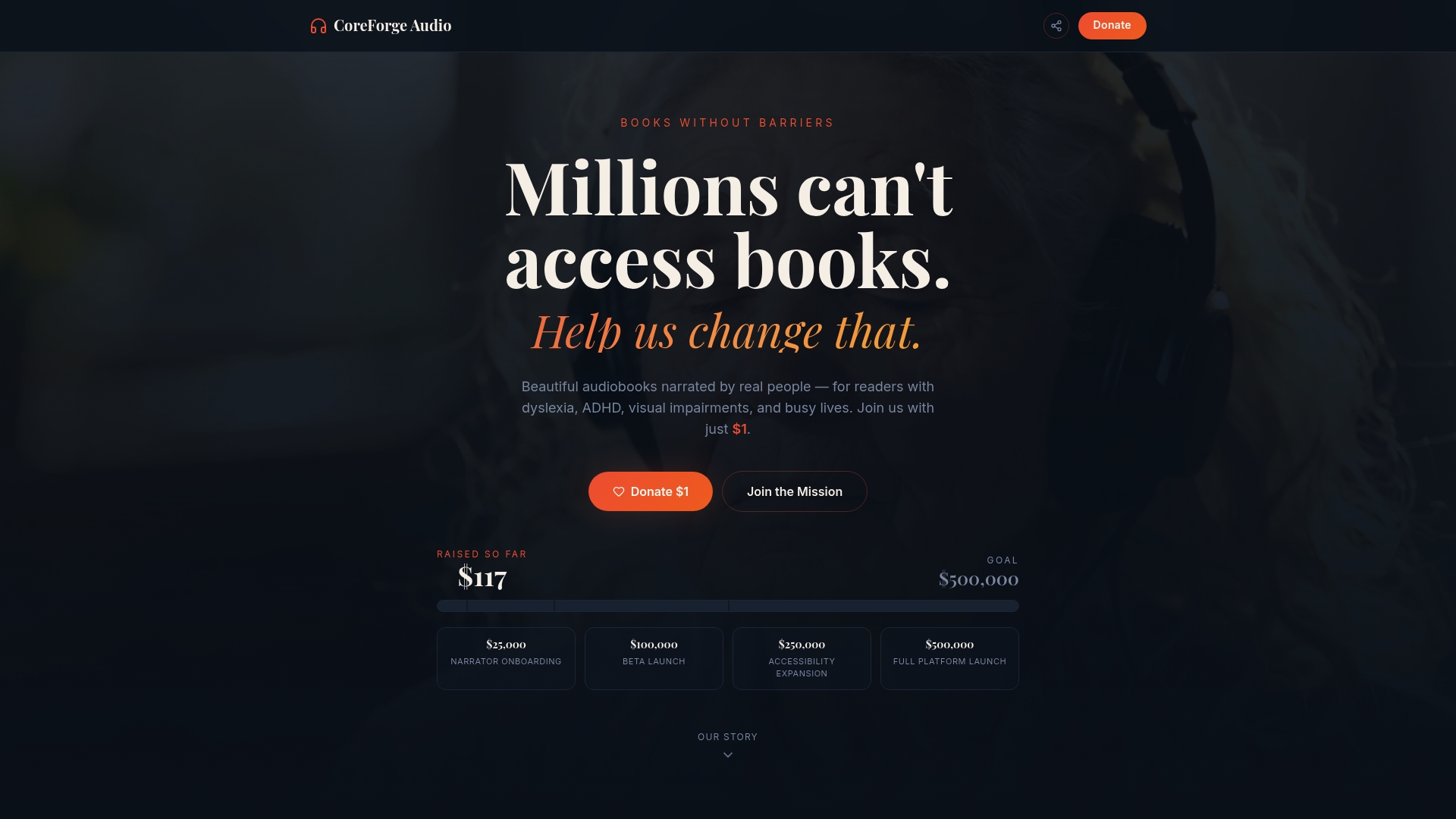
Coreforgeaudio is currently fundraising to complete development and expand its library. If you are a parent or educator looking for accessible audiobook resources built around the needs of special education learners, Coreforgeaudio is worth following. The platform is transparent about its costs, committed to fair pay for voice actors, and focused entirely on making stories and learning materials available to readers who have been left out for too long.
FAQ
What is a special education audio resource?
A special education audio resource is a tool that delivers written content as spoken audio to support students with disabilities. Common formats include human-read audiobooks from Learning Ally or NLS, and TTS software like ReadSpeaker or Speechify.
Who qualifies for NLS talking books and BARD downloads?
Students whose disability prevents them from reading standard print qualify, but access requires certification from a licensed professional or school authority confirming the qualifying condition.
Are audio resources effective for students with ADHD?
Yes. A 2026 eye-tracking study found that TTS acts as an external attention regulator for students with ADHD, producing the greatest comprehension gains of any disability group studied.
Does using audio resources prevent students from learning to read?
Audio resources do not replace reading instruction. Experts describe them as bridges that remove the decoding burden so students can focus on comprehension, vocabulary, and critical thinking while reading skills are built through separate targeted practice.
What is the Toniebox and how is it used in special education?
The Toniebox is a screen-free audio device that students control by tilting, making it ideal for early learners and students with autism or sensory processing needs. It supports customized lessons and independent listening in special education classrooms.