

Fiction is the dominant genre in audiobooks, accounting for 67% of audiobook sales revenue, with romance, science fiction, fantasy, and mystery leading the charge. The genres best suited for audio format share one defining trait: strong narrative momentum that keeps listeners engaged without needing to flip back a page. Nonfiction categories like true crime, self-help, and history also perform well, thanks to their idea-driven pacing and emotional pull. Coreforgeaudio builds its accessible audiobook platform around exactly these genres, prioritizing human narration and inclusive design for listeners who need audio most.
1. Why fiction genres excel in the audio format
Fiction is the clearest answer to which genres work best in audio. Narrative momentum and character-driven stories suit audio consumption naturally, because listeners follow a single thread without needing to scan, skim, or cross-reference. A skilled narrator carries the reader forward the same way a film score carries a scene.
Within fiction, the top performers by market share are General Fiction at 20%, Science Fiction and Fantasy at 15%, and Romance and Mysteries/Thrillers/Suspense each at 11%. These numbers reflect listener behavior, not just publisher output. Readers choose these genres in audio because the format rewards immersion.
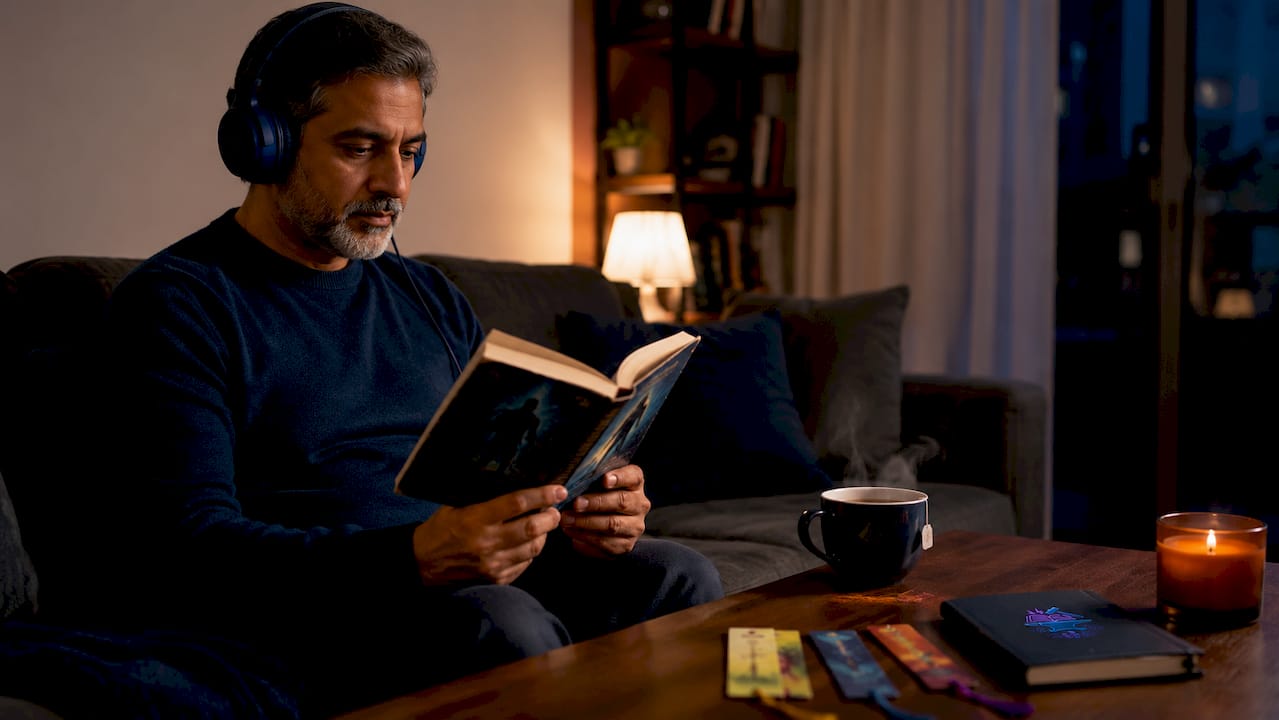
Narration quality is the deciding factor in fiction audiobooks. Poor casting flattens the fiction experience, especially in complex genres like fantasy or crime where multiple characters carry the plot. A narrator who differentiates voices prevents listener confusion and keeps the story alive across hours of listening.
Pro Tip: When selecting a narrator for fiction, prioritize voice range over vocal quality alone. A narrator who can shift convincingly between a teenage girl and a gruff detective will hold listeners far longer than one with a beautiful but monotone delivery.
2. Romance: the fastest-growing audio genre
Romance is the single fastest-growing fiction subgenre in audio, with Romance growing 30% year over year. That growth rate outpaces every other fiction category and reflects a listener base that returns repeatedly to the format. Romance readers are loyal, and audio gives them a hands-free way to consume books during commutes, workouts, and household tasks.
The genre fits audio because its pacing is emotional and episodic. Each chapter typically ends with a tension point or emotional beat, which creates the "one more chapter" effect that drives subscription listening. Romance listeners are not skimming for information. They are experiencing a feeling, and audio delivers that feeling more directly than text on a page.
3. Science fiction and fantasy in audio
Science fiction and fantasy are built for audio. World-building through narration creates an immersive experience that text sometimes struggles to match, because a skilled voice actor adds texture, urgency, and atmosphere that printed words leave to the reader's imagination. Audio removes that gap entirely.
Sci-Fi and Fantasy grew 21% in the audiobook market, making it one of the strongest-performing categories. Long series formats, which are common in both genres, also support subscription models because listeners commit to a narrator and a world across multiple titles. That loyalty is a structural advantage for audio platforms.
4. Mystery, thriller, and suspense
Mystery and suspense are among the top genres for audio because tension is a sound experience as much as a reading one. A narrator's pacing, breath control, and tone shift signal danger, doubt, and revelation in ways that printed text cannot replicate with the same immediacy. The genre's episodic structure, with clues, reversals, and reveals, maps directly onto audio's linear format.
Audio supports multitasking listeners who prefer genres with episodic, emotional pacing. Mystery fits that profile precisely. Listeners can follow a whodunit while driving or cooking without losing the thread, because the genre's structure is designed to be followed sequentially.
5. True crime and memoir in audio
True crime is one of the most audio-first genres available. Strong narration can make memoir and true crime especially powerful because the emotional stakes are real, not fictional. When a narrator reads a survivor's account or a journalist's investigation, the human voice adds credibility and weight that a printed page cannot.
True crime is also 8% more popular among women than men in audio formats, according to YouGov listening data. That audience skews heavily toward audio-first consumption, meaning true crime listeners often choose audio over print as their primary format, not as a secondary option.
Memoir works for the same reasons. When an author narrates their own story, the authenticity is irreplaceable. Even when a professional narrator reads memoir, the first-person voice creates intimacy that suits audio's close, personal listening experience.
6. Self-help and business nonfiction
Self-help and business books are among the best formats for audiobooks because their content is idea-driven and linear. Listeners absorb one concept at a time, which matches audio's sequential delivery. There is no need to flip between chapters or reference a diagram. The ideas build on each other, and a calm, authoritative narrator guides that progression.
Nonfiction genres like business, self-help, and education are well-suited for AI narration with clear, consistent tones. That said, human narration still outperforms AI for building listener trust in this category. A narrator who sounds like a knowledgeable colleague, rather than a text-to-speech engine, makes the advice feel more credible. Coreforgeaudio's commitment to human narration over text-to-speech reflects exactly this distinction.
7. Science and history: high audio-first consumption
Science and history are two nonfiction genres with surprisingly high rates of exclusive audio consumption. 58% of science content and 56% of history content is consumed exclusively via audio, meaning listeners in these categories are not reading the same material in print. They are choosing audio as their only format.
That exclusivity matters for publishers and platform builders. It signals that audio is not a supplement for these genres. It is the primary delivery method. Listeners absorb science and history through podcasts and audiobooks because the narrative format makes complex information accessible without requiring visual aids in most cases.
The limitation is real, though. Highly technical science texts with equations, charts, or dense data tables do not translate well to audio. The genres that succeed are those where the ideas can be explained in plain language, which is a narration challenge as much as a content one.
8. How multitasking shapes genre popularity
Audio enables multitasking in a way that print cannot. Audio preference is driven by multitasking capability and immersive storytelling, which privileges narrative genres like fiction and memoirs over dense technical texts. Listeners choose genres that work while they are doing something else, and that constraint shapes the entire market.
Genres that require close attention to visual detail, complex timelines, or frequent back-referencing lose their advantage in audio. Cookbooks, heavily illustrated science texts, and reference manuals are poor fits for the format. Narrative genres win because they are designed to be followed forward, not navigated.
"The best audiobook genres are the ones where you forget you're listening. The story or the idea just arrives, and you're in it."
Gender-based preferences also shape which genres dominate audio listening. Women prefer true crime and education/self-improvement at higher rates, while men favor sports and technology/science content. Platforms that understand these preferences can match narration style and genre selection to their core audience more effectively.
9. Children's and young adult audiobooks
Children's and YA audiobooks are growing faster than almost any other category. Children's and YA genres grew 26% and are moving toward full-cast and read-along audio productions. That growth reflects both a larger audience and a shift in how publishers approach the format.
Full-cast productions, where different actors voice different characters, work especially well for younger listeners. They reduce the cognitive load of tracking who is speaking and make the story feel more like a radio drama than a solo reading. Read-along formats, where the audio syncs with text on screen, support early literacy by connecting spoken words to their printed forms.
Children's audiobooks also serve as entry-point media. Families listening together build shared habits around audio that persist into adulthood. A child who grows up listening to audiobooks becomes an adult who reaches for audio first, which is why investment in this category has long-term value beyond immediate sales.
Pro Tip: For children's audiobooks, shorter chapter lengths matter as much as narrator quality. Chapters under 10 minutes keep young listeners engaged and make it easier for families to find natural stopping points during car rides or bedtime routines.
Coreforgeaudio recognizes this category as central to its accessibility mission. Audio supports early literacy strategies for children with dyslexia or reading delays, making YA and children's audiobooks a social good, not just a market segment.
Key takeaways
The genres best suited for audio format are those with strong narrative flow, emotional engagement, and linear pacing. Fiction leads with 67% of audiobook sales, while children's/YA, romance, and sci-fi/fantasy show the fastest growth rates in 2026.
| Point | Details |
|---|---|
| Fiction dominates audio | Fiction holds 67% of audiobook sales revenue, led by General Fiction, Sci-Fi/Fantasy, and Romance. |
| Narration quality decides success | Poor narrator casting flattens fiction; nonfiction needs a calm, authoritative tone to build listener trust. |
| Multitasking drives genre choice | Narrative and episodic genres win because listeners can follow them while doing other tasks. |
| Children's/YA is the fastest-growing segment | A 26% growth rate reflects rising investment in full-cast and read-along productions for younger audiences. |
| Nonfiction thrives with the right structure | Self-help, true crime, and history succeed in audio when content is idea-driven and does not rely on visual aids. |
Why I think most people pick the wrong audiobook genre to start with
Most new audiobook listeners make the same mistake: they pick a genre they love in print and expect the same experience in audio. That almost never works. Dense literary fiction with long interior monologues, or business books packed with charts and frameworks, can feel exhausting when you are listening while driving. The format punishes complexity and rewards momentum.
The genres I have seen work best for new listeners are mystery and romance, not because they are simpler, but because their structure is built for forward motion. Every chapter gives you a reason to keep going. That is the core mechanic of audio engagement, and it is not accidental. Publishers who understand this design their audio-first titles with shorter chapters and more frequent emotional beats.
The children's and YA category is the one I think deserves more attention from adult listeners, too. Full-cast productions in this space are genuinely impressive. They demonstrate what audio can do when producers treat the format as its own medium rather than a recording of a book. That philosophy should spread to adult fiction and nonfiction alike.
On the AI narration question: I think the technology has a real place in self-help and business content, where consistency and clarity matter more than emotional range. But for fiction, especially character-driven genres like romance and fantasy, human narration is not optional. The voice is the performance. Replacing it with AI in those genres is like replacing a film score with a metronome. Technically functional, emotionally empty.
— Sarmed
Accessible audiobooks for every genre, built by Coreforgeaudio
Coreforgeaudio is building an accessible audiobook platform designed around the genres that listeners love most, with human narration, adjustable playback speeds, and dyslexia-friendly features built in from the start.
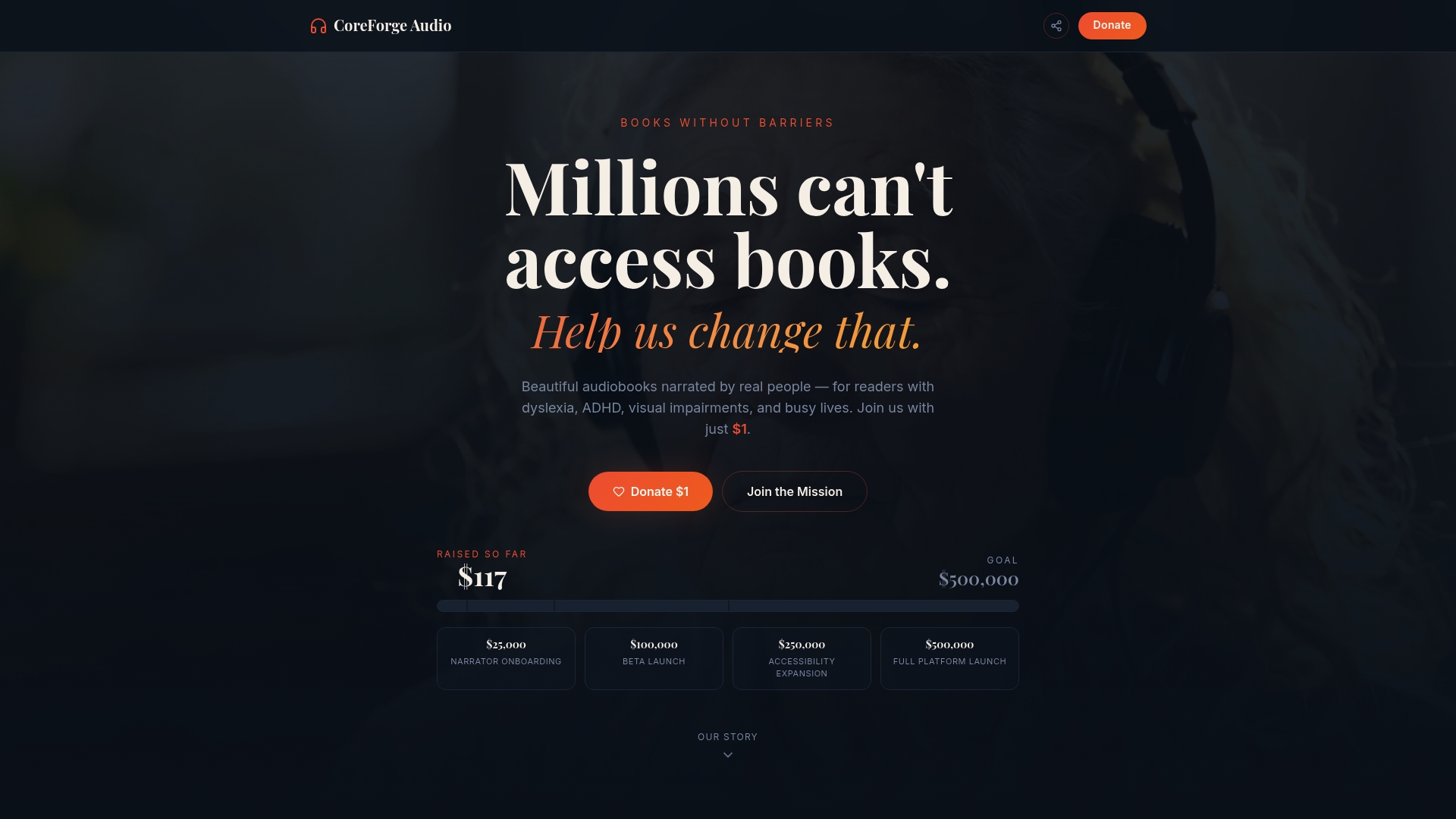
Whether you are drawn to romance, true crime, or children's read-alongs, Coreforgeaudio prioritizes the narration quality and accessibility tools that make audio genuinely work for every listener. The platform is built for readers with dyslexia, ADHD, visual impairments, and busy lives who deserve the same quality experience as any other listener. Explore what Coreforgeaudio is building at coreforgeaudio.com and support a platform that treats accessible audio as a right, not an afterthought.
FAQ
What genres are best suited for audio format?
Fiction genres like romance, mystery, and science fiction/fantasy are the best audio genres because their narrative structure and emotional pacing suit linear listening. Nonfiction categories like true crime, self-help, and history also perform well in audio.
Why does fiction dominate audiobook sales?
Fiction accounts for 67% of audiobook sales revenue because character-driven stories and narrative momentum keep listeners engaged across long listening sessions without requiring visual reference.
Are nonfiction audiobooks worth listening to?
Yes. Self-help, business, true crime, and history all thrive in audio format, especially when narrated with a calm, authoritative tone. Genres that rely heavily on charts or visual data are harder to follow in audio.
How does multitasking affect which genres work in audio?
Listeners favor episodic, narrative genres like romance and mystery because they can follow the story while commuting, exercising, or doing household tasks. Genres requiring frequent back-referencing or visual aids lose their effectiveness in audio.
Are children's audiobooks a good investment?
Children's and YA audiobooks grew 26% and are among the fastest-growing segments in the market. Full-cast and read-along productions support early literacy and build lifelong listening habits.