
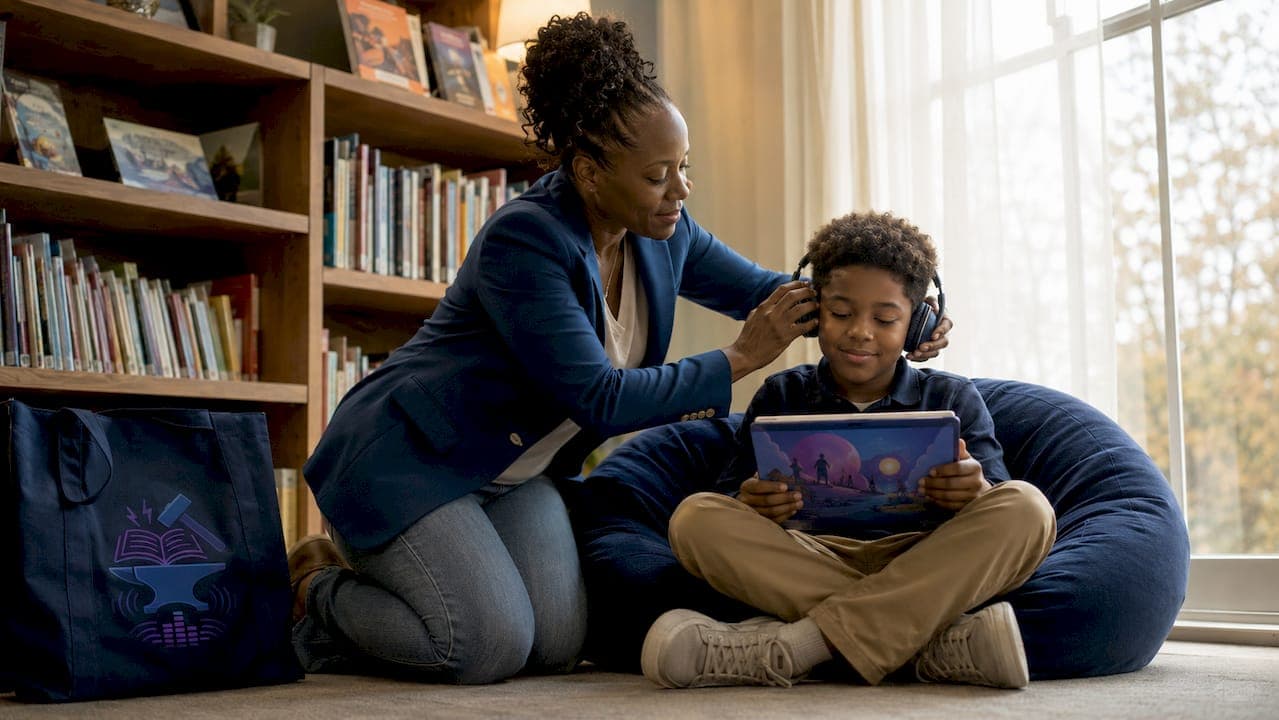
Audiobooks are a proven differentiated instruction tool that improves comprehension, motivation, and content access for students who struggle with traditional reading. Used correctly, they shift cognitive effort away from decoding and toward meaning, which is exactly what differentiated instruction demands. Platforms like Learning Ally and Kurzweil 3000 have made differentiated learning with audiobooks a practical reality in K–12 classrooms. This article gives you the prerequisites, step-by-step strategies, and troubleshooting guidance to make audiobooks differentiated instruction strategies work for every learner in your room.
What do educators need before using audiobooks for differentiated instruction?
The right tools and instructional framework come before any audio plays. Without them, audiobooks become background noise rather than a learning scaffold.
Technology and platform requirements:
- Text-supplemented audiobook platforms: Tools like Kurzweil 3000 provide simultaneous audio and word-by-word text highlighting, annotation features, and study supports. That combination gives students control over pacing that pure audio cannot.
- Learning Ally: A library of human-narrated, curriculum-aligned audiobooks designed for students with print disabilities. It integrates with Google Classroom and most LMS platforms.
- Adjustable playback devices: Tablets, Chromebooks, or dedicated listening stations with headphones allow independent, distraction-free listening.
- Accessible print copies: Having a print or digital text alongside the audio lets students track words and reinforces the connection between spoken and written language.
Instructional prerequisites:
Audiobooks work best inside a structured framework, not as a standalone activity. Before students press play, you need three things in place: a vocabulary preview routine, an active listening protocol, and a comprehension check system. Each of these turns passive listening into deliberate learning.
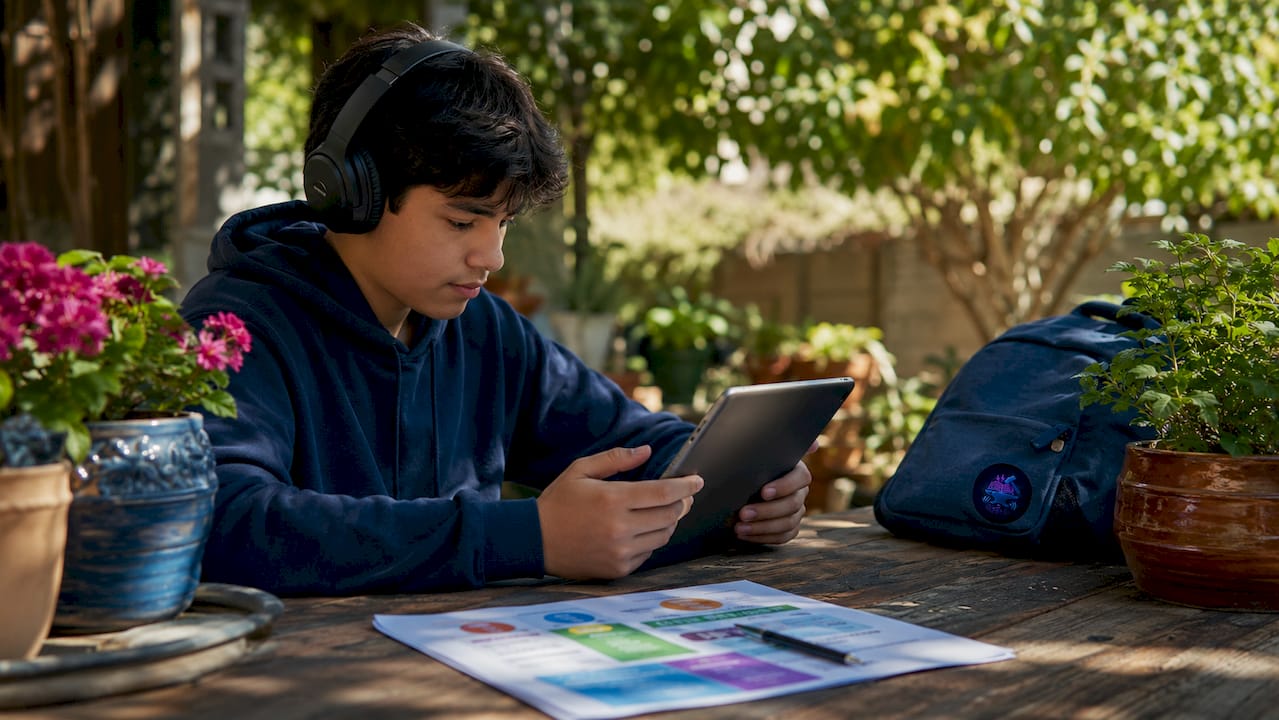
Pro Tip: Preview 3–5 challenging vocabulary words before every listening session. Write them on the board, define them briefly, and tell students to listen for each word. This single step primes working memory and dramatically improves retention.
Educator training matters as much as technology. Research from MIT's McGovern Institute shows that non-expert tutors trained in vocabulary explanation and comprehension support produced strong student outcomes alongside audiobooks. You do not need a specialist to run an effective audiobook program. You need a clear protocol and consistent practice.
How to implement audiobook strategies step by step
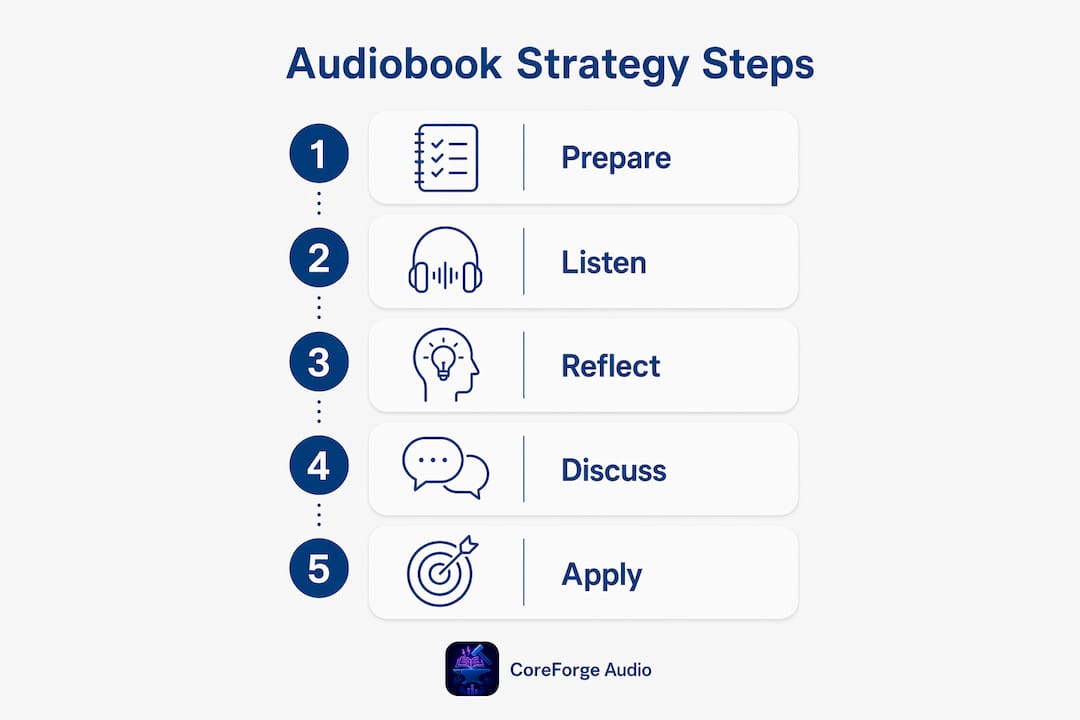
The most effective structure for using audiobooks in teaching follows a before, during, and after framework. Each phase has a specific job.
Before listening:
- Preview 3–5 key vocabulary words with brief definitions and examples.
- Set a listening purpose: "Listen for how the main character solves the problem" or "Find three causes of the event."
- Activate prior knowledge with one open question connected to the topic.
During listening:
- Chunk the session into 5–10 minute segments with a comprehension pause after each. Ask one targeted question per chunk.
- Allow students to use sticky notes, graphic organizers, or a listening journal to capture key ideas. Note-taking during audio keeps attention anchored.
- Permit replay of short passages when students signal confusion. This is especially critical for students with ADHD or auditory processing differences.
After listening:
- Ask students to retell the passage in their own words, either verbally or in writing. A two-sentence summary is enough for younger students.
- Return to the vocabulary words previewed before the session. Ask students to use each word in a sentence based on what they heard.
- Connect the content to a broader unit goal or discussion question.
Pro Tip: Give students a simple listening guide with three boxes labeled "Before," "During," and "After." Students fill in predictions, key ideas, and a summary. This one-page tool transforms a passive listening session into a structured literacy event.
Chunking sessions into short segments is not just a convenience. Short, structured sessions with active tasks prevent the comprehension drift that happens when struggling listeners lose the thread of a long audio passage. Ten minutes of focused listening with a comprehension pause outperforms thirty minutes of uninterrupted audio every time.
Student choice also strengthens engagement. Let students select their listening speed, choose between two audiobook titles on the same topic, or decide whether to follow along with print. These small decisions build ownership and increase time on task.
What challenges arise with audiobooks in differentiated instruction?
Audiobooks present real instructional challenges. Knowing them in advance lets you design around them.
The pacing problem: Listening imposes a fixed rhythm. Unlike reading, students cannot naturally backtrack or adjust speed mid-sentence without interrupting the flow. This challenges comprehension strategies that rely on rereading or slowing down at difficult passages. The solution is text-supplemented platforms. When students follow along with highlighted text, they regain control over pacing and can pause at will.
Passive listening drift: Audio without structure invites mind-wandering. Students with ADHD or attention difficulties are especially vulnerable. The chunking and note-taking strategies described above directly address this. Comprehension questions after each segment give students a reason to stay engaged.
The explicit instruction gap: Audiobooks alone do not produce strong comprehension gains across all learners. An eight-week study found that vocabulary gains from audiobooks were significant mainly when paired with explicit, one-on-one instruction. Passive listening without guided discussion produces limited results for struggling readers.
"Audiobooks are not a universal fix. Educators must explicitly teach comprehension strategies rather than rely on passive listening to do the work." — MIT McGovern Institute
Equity of access: Not every student has reliable headphones or a device at home. For independent practice outside school, this creates a gap. Lending libraries of devices, school-issued headphones, and offline-capable apps like Learning Ally address this directly. Build access into your plan before assigning audiobook homework.
Comprehension without decoding is still a skill: Some educators assume that removing the decoding barrier automatically produces comprehension. It does not. Students still need explicit instruction in inference, main idea identification, and text structure. Audiobooks remove one obstacle. They do not replace the teaching of comprehension itself.
How do audiobooks support diverse learner needs?
Audiobooks serve a wide range of learner profiles, and the benefits are not uniform across all groups. Understanding which students gain the most helps you target the tool effectively.
Students with dyslexia gain the most direct benefit. Audiobooks reduce the decoding load and allow working memory to focus on meaning rather than sounding out words. A student who reads at a second-grade level but thinks at a sixth-grade level can access grade-appropriate content through audio. That gap between decoding ability and intellectual capacity is exactly what audiobooks close.
English language learners benefit from hearing correct pronunciation, natural sentence rhythm, and academic vocabulary in context. A classroom study found higher motivation and understanding among students from diverse linguistic backgrounds when audiobooks were combined with reflective discussion methods. Pairing audio with multilingual audiobook resources extends this benefit further.
Auditory learners process information more effectively through sound than print. For these students, audiobooks are not an accommodation. They are the preferred mode of learning.
| Learner profile | Primary audiobook benefit | Best pairing strategy |
|---|---|---|
| Students with dyslexia | Removes decoding barrier | Text-highlighted platforms like Kurzweil 3000 |
| English language learners | Models pronunciation and rhythm | Reflective discussion and vocabulary preview |
| Students with ADHD | Reduces visual fatigue | Short segments with comprehension pauses |
| Auditory learners | Matches preferred learning mode | Listening journals and retell activities |
| Students with visual impairments | Full content access without print | Human-narrated, accessible audio platforms |
The research on using audiobooks for diverse learners consistently points to one condition for success: explicit instruction must accompany the audio. Motivation and engagement improve with audiobooks alone. Vocabulary and comprehension gains require guided teaching alongside them.
Key Takeaways
Audiobooks produce the strongest learning outcomes when paired with explicit vocabulary instruction, structured listening routines, and text-supplemented platforms rather than used as standalone tools.
| Point | Details |
|---|---|
| Pair audio with explicit instruction | Vocabulary and comprehension gains require guided teaching, not passive listening alone. |
| Use the before-during-after structure | Preview vocabulary, pause for comprehension checks, and retell after each session. |
| Chunk sessions into 5–10 minutes | Short, structured segments prevent attention drift and improve retention for struggling listeners. |
| Use text-supplemented platforms | Tools like Kurzweil 3000 restore pacing control and reinforce the print-audio connection. |
| Target specific learner profiles | Students with dyslexia, ADHD, and language barriers each benefit from tailored audiobook approaches. |
What I have learned from watching audiobooks succeed and fail in classrooms
The biggest mistake I see educators make is treating audiobooks as a replacement for reading instruction. They are not. They are a scaffold that removes one specific barrier: decoding. When a teacher plays an audiobook and walks away, the students who needed the most support get the least. The audio runs, but no learning architecture surrounds it.
What actually works is building the listening session the same way you would build a reading lesson. You pre-teach the vocabulary. You set a purpose. You pause and check. You ask students to retell. When educators do those four things consistently, audiobooks stop being a workaround and start being a genuine instructional tool.
The other thing I have seen underestimated is the power of student choice. Giving a struggling reader the option to listen at 1.25x speed, or to choose between two titles on the same topic, changes their relationship with the material. They stop feeling like they are getting a lesser version of the lesson. They start feeling like they are in control of their learning. That shift in perception produces real engagement gains.
Training matters too. You do not need a reading specialist to run a strong audiobook program. The MIT research is clear that trained non-experts produce strong outcomes. What you need is a consistent protocol, a willingness to teach listening as a skill, and the patience to build the routine over several weeks before expecting results.
— Sarmed
Coreforgeaudio: accessible audiobooks built for diverse learners
Educators who want to put these strategies into practice need a platform built for accessibility from the ground up.
Coreforgeaudio is a nonprofit-focused platform offering human-narrated audiobooks with features designed for students with reading barriers, including dyslexia-friendly fonts, adjustable narration speeds, and multilingual support. Every title is licensed, and every voice actor is fairly compensated. The platform is built for the exact learner profiles described in this article: students with dyslexia, ADHD, visual impairments, and multilingual backgrounds. Visit Coreforgeaudio to learn more about the catalog, accessibility features, and how the platform supports differentiated instruction in real classrooms.
FAQ
What are audiobooks differentiated instruction strategies?
Audiobooks differentiated instruction strategies are teaching methods that use audio content to meet diverse learner needs by removing decoding barriers and supporting comprehension through structured listening routines.
Do audiobooks improve reading comprehension on their own?
Audiobooks alone produce limited comprehension gains for struggling readers. Research shows that significant vocabulary gains occur mainly when audiobooks are paired with explicit, guided instruction.
Which students benefit most from audiobooks in the classroom?
Students with dyslexia, ADHD, visual impairments, and English language learners benefit most. Audiobooks remove the decoding barrier and allow these students to access grade-level content at their intellectual level.
How long should an audiobook listening session be?
Sessions of 5–10 minutes with a comprehension pause after each segment produce the best results. Longer uninterrupted sessions increase the risk of passive listening and attention drift.
What tools work best for differentiated learning with audiobooks?
Kurzweil 3000 and Learning Ally are the most widely used platforms. Both offer text-supplemented audio, adjustable playback, and accessibility features that support students with print disabilities.