
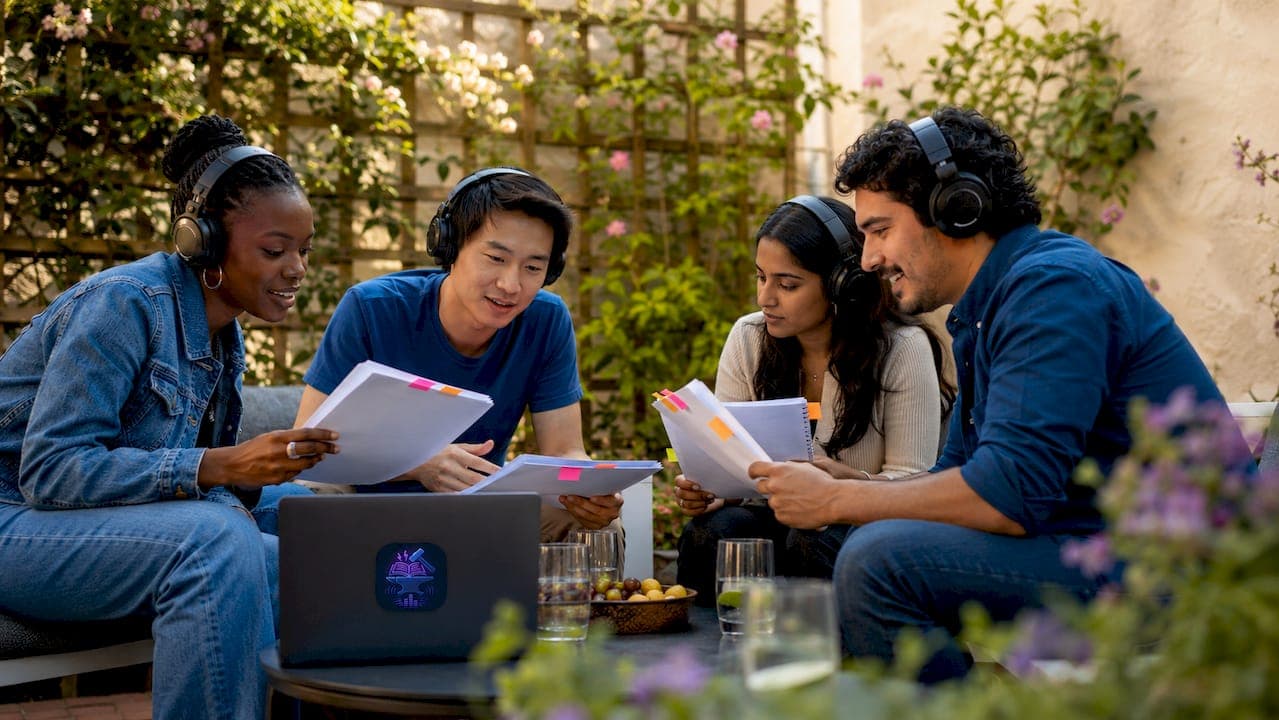
Narrator diversity is defined as the practice of using voices from varied cultural, linguistic, and experiential backgrounds to tell a story. Understanding how narrator diversity improves storytelling is not a matter of preference. Research shows that authentic diverse representation drives measurably stronger audience connection, financial performance, and empathy. The standard industry term for this practice is narrative plurality, and it applies equally to novels, audiobooks, film, and classroom instruction. Writers and educators who understand this mechanism produce stories that reach further and resonate longer.
How narrator diversity improves storytelling: the core benefits
Narrator diversity produces concrete, measurable advantages. These benefits span financial performance, cognitive development, and emotional depth. They are not theoretical.
Financial and engagement impact
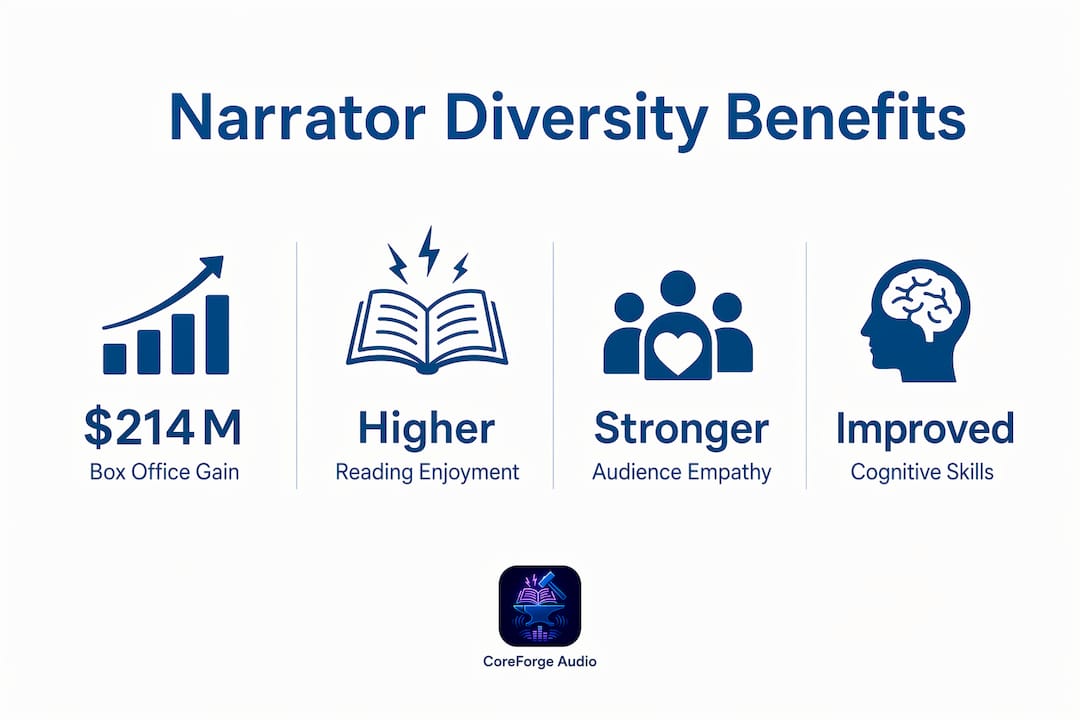
Authentic diverse representation pays off at scale. Diverse franchises earn an average of $214.3 million more at the box office than less authentic ones. That gap reflects how strongly audiences, especially younger ones, respond to stories that feel genuinely representative. Adolescents prefer stories featuring characters who share their identity at a rate 65% higher than stories that do not. That preference translates directly into attention, loyalty, and word of mouth.
Cognitive and emotional benefits
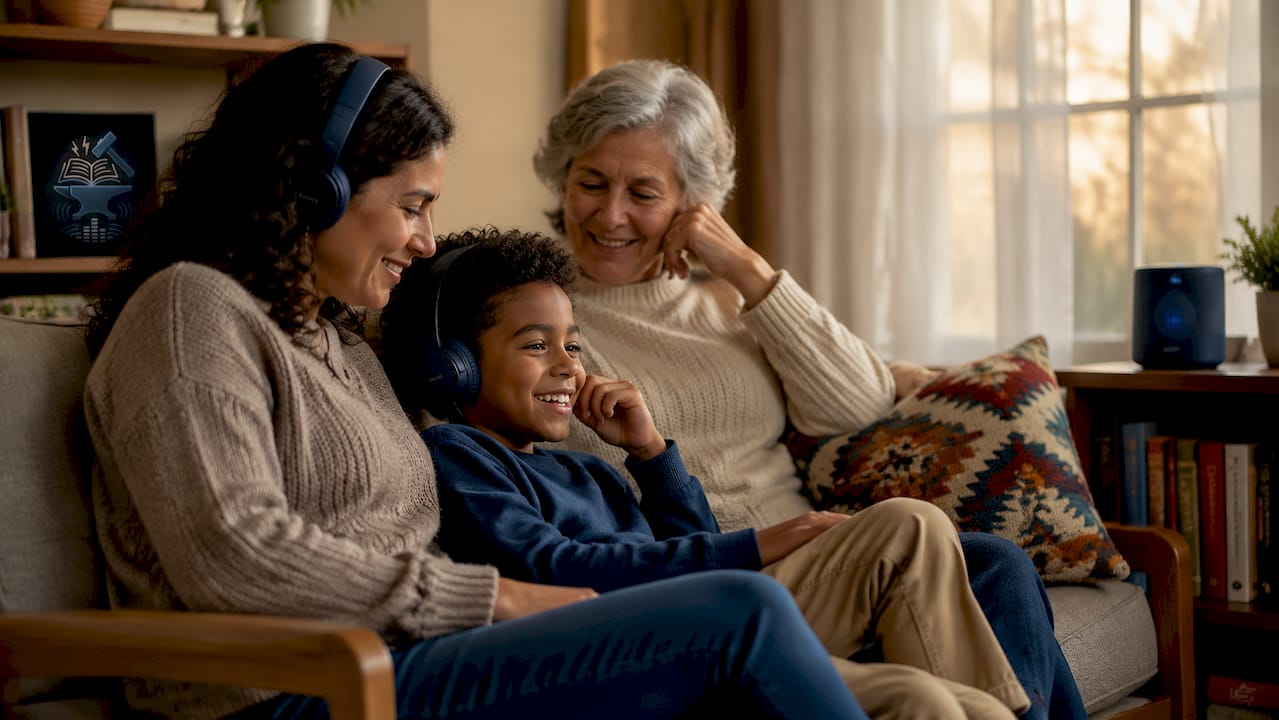
The benefits of diverse narrator representation extend well beyond ticket sales. Narrative diversity is linked to improved cognitive flexibility and decreased prejudice in listeners and readers. Exposure to varied human experiences through story calms fear responses and promotes rational empathy. This is controlled exposure at its most effective: a reader encounters a worldview different from their own in a safe, structured context, and their brain updates its assumptions. The result is reduced social polarization and a broader capacity for understanding.
Educational value
Children aged 6–7 who were exposed to diverse main characters showed significantly higher reading enjoyment than those who were not. Higher enjoyment means more reading, and more reading means stronger literacy outcomes. For educators, this is a direct argument for selecting audiobooks and texts narrated by voices that reflect the classroom's own diversity.
Pro Tip: When selecting audiobooks for a classroom, prioritize titles narrated by someone who shares the cultural background of the story's protagonist. Students notice the difference, and so does their engagement.
How does narrator authenticity affect audience perception?
Authenticity is the dividing line between representation that works and representation that backfires. Audiences detect inauthenticity quickly and reliably.
What authentic cultural grounding looks like
Authentic narration is grounded in lived cultural experience. It shows up in word choice, rhythm, the way a narrator handles humor or grief, and the subtle intonation patterns that signal insider knowledge. Performative diversity without that grounding is identified as a fatal flaw by audiences. A narrator who performs a culture rather than inhabits it produces a caricature, and listeners reject caricatures.
The role of meaningful relationships in the narrative
Authenticity is also measured by the quality of relationships within the story. Audiences connect with narrators and characters who exist in rich, meaningful relationships with others in the narrative. Tokenistic characters, those who appear diverse but serve no real narrative function, undermine the story's credibility. Authenticity builds long-term loyalty by avoiding shallow representation and focusing on characters with genuine depth and consequence.
Four markers of authentic narrator representation
Writers and educators can evaluate narrator authenticity using these four markers:
- Cultural embedding. The narrator's voice reflects real cultural knowledge, not surface-level stereotypes.
- Linguistic accuracy. Accents, idioms, and speech rhythms match the character's background without exaggeration.
- Relational depth. The narrator's perspective shapes meaningful relationships within the story, not just descriptive passages.
- Emotional range. The narrator handles the full spectrum of the character's emotional life, not just the dramatic peaks.
"Audiences do not simply notice when representation feels forced. They disengage from the entire story. Genuine cultural grounding is not a bonus feature of good narration. It is the foundation of audience trust."
What is the technical and artistic role of narrator diversity?
Narrator diversity functions as both a technical craft choice and an artistic one. The two dimensions reinforce each other.
Vocal qualities as storytelling tools
Variations in pitch, rhythm, and timbre shape how listeners emotionally connect with and understand a story. A narrator's voice is not just a delivery mechanism. It is an emotional entry point. The pace at which a narrator speaks during a tense scene, the warmth in their tone during a moment of reconciliation, the flatness they use to signal dissociation: all of these are craft decisions that shape meaning. Narrator voice choices function as the bloodstream of a story, carrying emotional truth to every scene.
Technical accuracy through cultural and linguistic matching
Narrators who share a character's cultural background provide authentic accents and intonation that enhance listener immersion. This is not a cosmetic detail. A mispronounced place name or a culturally misread emotional beat pulls listeners out of the story immediately. Technical accuracy requires narrators who know the material from the inside, not just those who have studied it from the outside.
Pro Tip: For audiobook producers, the Deinarrator Database maintained by ProNarrators.org is a practical resource for finding narrators with verified cultural and linguistic backgrounds that match specific story requirements.
How shifting perspectives deepen narrative impact
| Narrative approach | Effect on the story |
|---|---|
| Single fixed narrator | Consistent voice; limited dramatic irony; reader sees only one truth |
| Alternating narrators | Reveals contradictions between characters; builds tension through competing perspectives |
| Multiple cultural voices | Exposes systemic blind spots; creates empathy across social divides |
| Unreliable narrator | Forces reader to question assumptions; deepens engagement through ambiguity |
Shifting perspectives sharpen conflict and reveal dramatic irony that a fixed point of view cannot access. When two narrators describe the same event differently, the gap between their accounts becomes the story's most interesting territory. That gap is where theme lives.
How can writers and educators apply narrator diversity in practice?
Applying the principles of narrative plurality requires deliberate choices at every stage of the creative or instructional process.
For writers
- Cast narrators who match the character's background. This applies to both the writing process (whose perspective shapes the prose) and the production process (who records the audiobook).
- Research before you write. A narrator voice built on research alone will always feel thinner than one built on genuine cultural knowledge. Consult sensitivity readers and cultural advisors early.
- Avoid the single-story trap. A story told entirely from one cultural perspective, even a marginalized one, risks flattening complexity. Multiple narrators reveal the full texture of a world.
- Use shifting narrative perspectives to reveal dramatic irony. Let two characters narrate the same scene. The reader's awareness of the gap between their accounts creates tension that neither narrator alone could generate.
For educators
- Select audiobooks narrated by voices that reflect your students' identities. The impact on reading enjoyment is documented and significant, particularly for children aged 6–7.
- Use multilingual audiobooks to support English language learners. Hearing a story in a familiar accent or language reduces cognitive load and increases comprehension.
- Pair diverse narration with discussion. Ask students to compare how different narrators handle the same event. This builds critical thinking alongside empathy.
- Treat narrator selection as differentiated instruction. Matching the narrator's voice to the learner's background is a form of scaffolding, not a preference.
Key Takeaways
Narrator diversity improves storytelling by producing authentic cultural grounding, stronger audience empathy, measurable financial returns, and deeper cognitive engagement across both creative and educational contexts.
| Point | Details |
|---|---|
| Authenticity drives results | Diverse franchises with authentic representation earn an average of $214.3 million more than less authentic ones. |
| Cognitive benefits are real | Narrative diversity reduces prejudice and builds cognitive flexibility in readers and listeners. |
| Vocal craft shapes meaning | Pitch, rhythm, and timbre are storytelling tools, not just delivery mechanics. |
| Education outcomes improve | Children exposed to diverse main characters show significantly higher reading enjoyment. |
| Authenticity requires depth | Tokenistic characters and performative diversity damage audience trust; meaningful relationships build it. |
Why I think most creators underestimate the narrator's role
Writers spend months developing plot and character, then treat narrator selection as an afterthought. That ordering is backwards. The narrator is not the vehicle for the story. The narrator is the story's first and most persistent argument about whose experience matters.
I have seen this play out repeatedly. A novel with a rich, culturally specific narrator voice reaches readers who had never seen themselves in a book before. Those readers do not just finish the book. They tell everyone they know about it. The word of mouth that follows authentic narration is qualitatively different from the word of mouth that follows a technically competent but culturally neutral one.
The uncomfortable truth is that narrative bias is invisible to the people who benefit from it. A writer who has always been centered in the stories they consumed will not notice when their narrator defaults to a particular cadence, a particular set of assumptions, a particular emotional register. Diverse narration is the correction to that default. It does not diminish the story. It reveals how much the story was missing.
My practical advice: before you finalize any narrator choice, ask who is not in the room. Then find a way to put them there. The story will be better for it. Audiences will feel the difference, even if they cannot name it.
— Sarmed
Coreforgeaudio and the case for authentic diverse narration
Coreforgeaudio was built on the premise that the narrator's voice is the most direct path to a listener's understanding. The platform's commitment to human-narrated audiobooks with fair compensation for voice actors is not just an ethical position. It is a quality standard. When narrators are paid fairly and matched carefully to the cultural and linguistic demands of a story, the result is the kind of authentic narration that research consistently links to stronger engagement and better outcomes.
Coreforgeaudio supports writers, educators, and publishers who want to get narrator selection right. The platform's accessibility features, including adjustable narration speeds, dyslexia-friendly fonts, and multilingual support, mean that diverse narration reaches the widest possible audience. If you are building a story or a curriculum that deserves to be heard, Coreforgeaudio offers the infrastructure to make that happen with integrity.
FAQ
What is narrator diversity in storytelling?
Narrator diversity, also called narrative plurality, is the practice of using voices from varied cultural, linguistic, and experiential backgrounds to tell a story. It applies to written fiction, audiobooks, film, and educational content.
Why does narrator authenticity matter more than narrator variety?
Audiences detect performative diversity immediately and disengage from the story. Authentic cultural grounding, not just casting variety, is what drives genuine audience connection and long-term loyalty.
How does narrator diversity benefit students in educational settings?
Children aged 6–7 exposed to diverse main characters show significantly higher reading enjoyment. Diverse narration also supports differentiated instruction by engaging varied learner profiles and reducing cognitive load for English language learners.
Can narrator diversity improve the financial performance of a story?
Yes. Authentic diverse representation is linked to an average of $214.3 million more in box office earnings compared to less authentic storytelling. Adolescents prefer stories featuring shared-identity characters at a rate 65% higher than those that do not.
What is the difference between a fixed narrator and multiple narrators?
A fixed narrator provides a consistent voice but limits dramatic irony and perspective. Multiple narrators reveal contradictions between characters, build tension through competing viewpoints, and expose blind spots that a single perspective cannot access.