
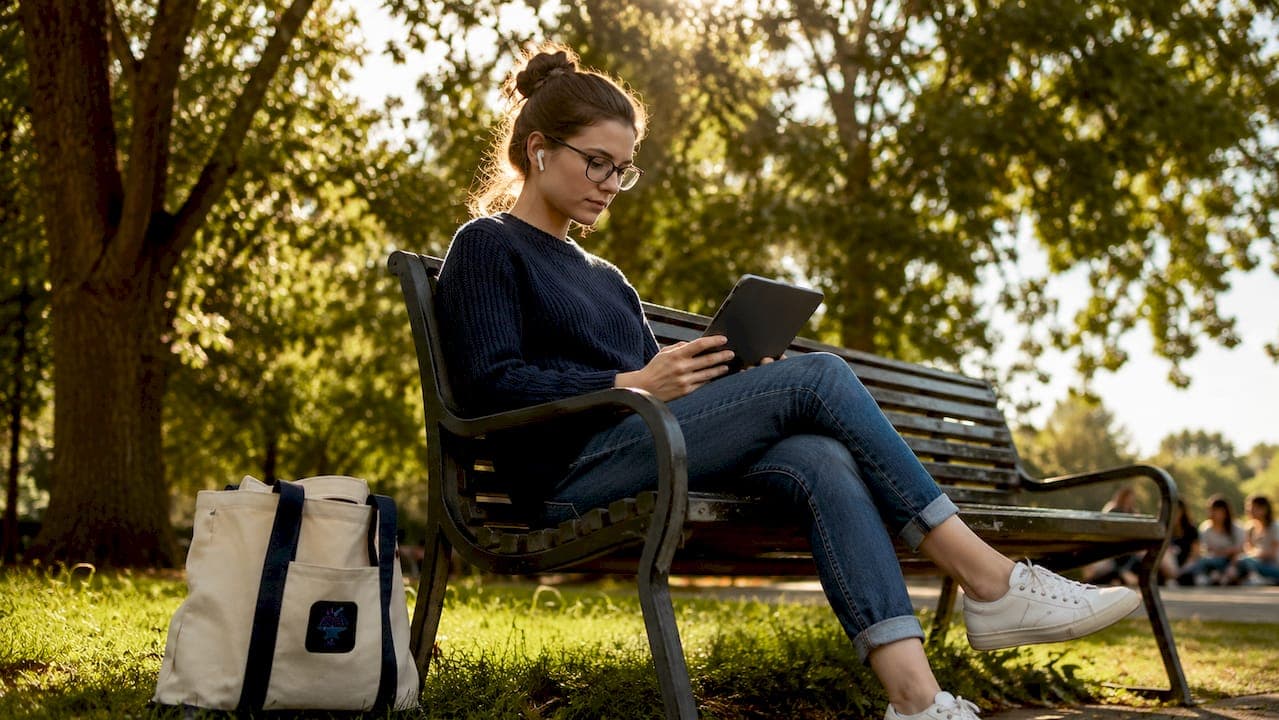
Accessible audio content platforms are specialized tools designed to help individuals with reading barriers, including dyslexia, visual impairments, and ADHD, enjoy audiobooks and other audio content without friction. When you put accessible audio content platforms compared side by side, the differences in features, pricing, and disability support become stark. Speechify, Audible, Audiobooks.com, NaturalReader, Spotify, and Apple Music each serve different needs. The right choice depends on whether you need dyslexia-friendly fonts, adjustable narration speeds, or a massive catalog of titles. This guide breaks down each platform so you can decide with confidence.
1. What makes Speechify the top pick for reading barriers?
Speechify is the strongest dedicated accessibility tool among all audio platforms reviewed here. It combines a massive voice library with features built specifically for users with dyslexia and visual impairments.
Key features that set Speechify apart:
- Voice library: 1,000+ voices across 60+ languages, giving you far more personalization than any audiobook service
- Speed range: Narration up to 9x normal speed (900 words per minute), which power listeners with dyslexia use to stay focused
- Dyslexia-friendly fonts: OpenDyslexic and real-time word highlighting reduce visual tracking errors
- Mobile app: Polished iOS and Android apps with a clean, low-distraction interface
- Accessibility discounts: Trust-based pricing with no verification required, making it easier to access reduced rates
Speechify's real-time text highlighting is the feature most users with dyslexia cite as transformative. Seeing each word highlighted as it is read aloud reinforces comprehension in a way that audio alone cannot. Pricing runs from free to roughly $15 per month for the premium tier, which is competitive given the feature depth.
Pro Tip: Set Speechify to 1.5x speed when starting a new book. Your brain adapts within 20 minutes, and comprehension stays high while listening time drops significantly.
2. How do Audible and Audiobooks.com compare for accessibility?
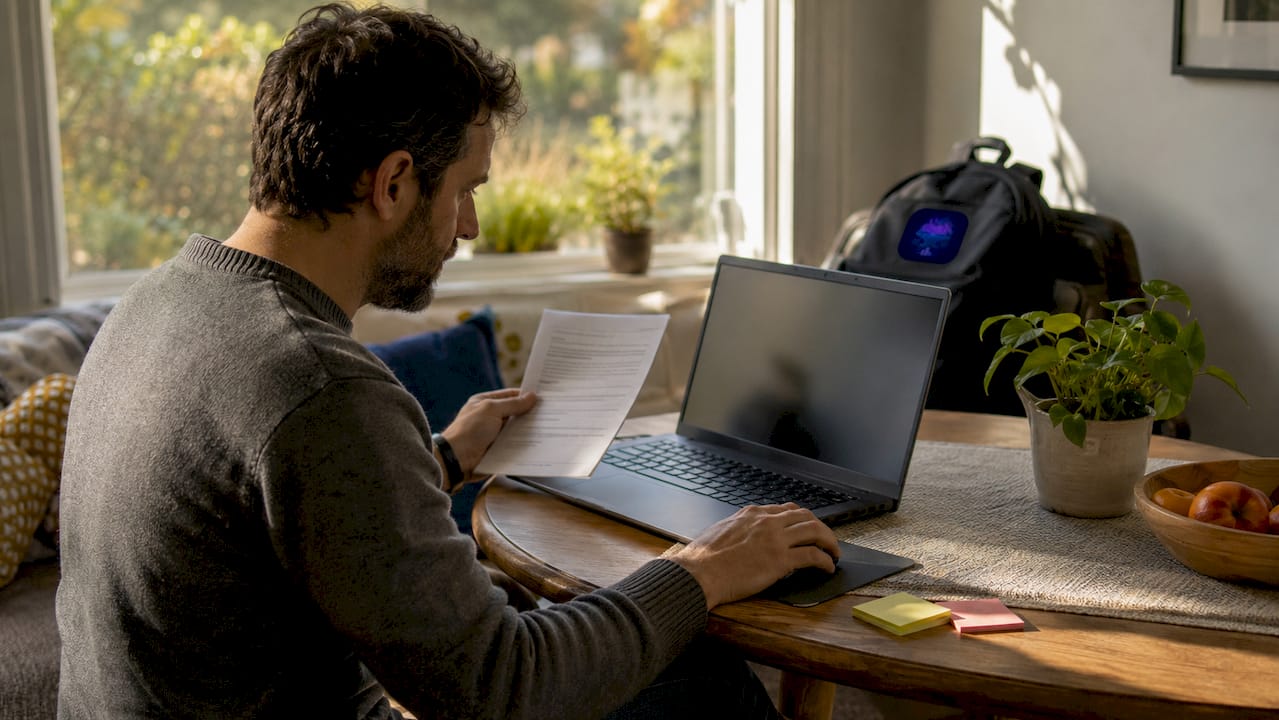
Audible and Audiobooks.com are the two dominant audiobook subscription services in the U.S. They share a similar price point but differ sharply on catalog strategy and flexibility.
| Feature | Audible | Audiobooks.com |
|---|---|---|
| Monthly price | ~$14.95 | ~$14.95 |
| Catalog size | 500,000+ titles | 300,000+ titles |
| Exclusive content | Yes, Audible Originals | Limited |
| Credit flexibility | 1 credit per month | Flexible Book Club credits |
| Ecosystem integration | Amazon Kindle, Alexa | Standalone |
| Narration speed control | Yes | Yes |
| Offline downloads | Yes | Yes |
| Dyslexia fonts | No | No |
| Real-time highlighting | No | No |
Audible holds about 63% of the U.S. audiobook market, which means it attracts the most exclusive titles and celebrity narrators. That dominance matters if you want access to the widest range of bestsellers. Audible's integration with Amazon Kindle also supports multi-sensory learning, letting you read along with the Kindle text while the audio plays. For users with dyslexia, that combination is genuinely useful.
Audiobooks.com takes a different approach. Its Book Club credit system lets one credit cover 200+ titles across genre clubs, which stretches your subscription further if you read across multiple categories. Neither platform offers dyslexia fonts or text highlighting, so both fall short of Speechify on pure accessibility features. For users who want human-narrated audiobooks at scale, though, both are strong options.
For users with reading barriers: Audible wins on catalog and ecosystem. Audiobooks.com wins on credit flexibility and volume listening.
3. What accessibility features do mainstream streaming platforms offer?
Spotify, Apple Music, and Amazon Music were built for music first. Their audiobook and podcast expansions are real, but their accessibility tools lag behind dedicated assistive platforms.
What these platforms do well:
- Audiobook availability: Spotify now includes audiobooks in its Premium subscription; Apple Music and Amazon Music carry select titles
- Podcast libraries: All three offer massive podcast catalogs, which can supplement audiobook listening
- Audio quality: Apple Music supports ALAC 24-bit/192 kHz lossless audio; Spotify rolled out lossless support in 2026, improving clarity for users who rely on audio cues
- Subscription pricing: Average costs run $11–$13 per month, slightly below dedicated audiobook services
What they lack is the feature set that users with dyslexia or visual impairments actually need. None of the three offer real-time text highlighting, OpenDyslexic fonts, or trust-based accessibility discounts. Mainstream services treat audio as entertainment. Dedicated accessibility platforms treat it as a reading tool. That distinction matters when your goal is comprehension, not just enjoyment.
Pro Tip: Use Spotify's podcast library to find audio versions of educational content. Many learning podcasts are structured like audiobooks and pair well with note-taking apps for reinforced retention.
4. How do NaturalReader and Speechable compare with audiobook platforms?
NaturalReader and Speechable are text-to-speech tools, not audiobook services. That distinction shapes everything about how you use them.
| Feature | NaturalReader | Speechable | Speechify |
|---|---|---|---|
| Primary use | Personal TTS reading | Personal TTS reading | Personal TTS reading |
| Dyslexia fonts | Yes | Yes | Yes (OpenDyslexic) |
| Eco Mode (local TTS) | No | Yes | No |
| Accessibility discount | Limited | Up to 50% off | Trust-based |
| Language support | 20+ languages | Multiple | 60+ languages |
| Desktop app | Yes (legacy) | Yes | Yes |
| Mobile app | Yes | Yes | Yes |
| Credit system | No | No | No |
NaturalReader provides dyslexia-friendly fonts and a legacy desktop app that many long-term users prefer for its simplicity. It reads PDFs, Word documents, and web pages aloud, which makes it useful for students and professionals who need to process written material. The desktop app is particularly stable for users who prefer a consistent interface over frequent updates.
Speechable's standout feature is Eco Mode, which runs TTS locally on your device without using cloud credits. That means no internet dependency and no per-use cost. Speechable offers up to 50% off plans for users with ADHD, dyslexia, or visual impairments, with no proof of disability required. That trust-based model removes a real barrier that many users face when trying to access discounted assistive technology.
The key distinction between these TTS tools and audiobook platforms is content source. TTS tools read your documents. Audiobook platforms provide their catalog. If you need to listen to textbooks, work emails, or web articles, NaturalReader or Speechable fits better. If you want fiction, nonfiction, and bestsellers narrated by professionals, Audible or Audiobooks.com is the right call.
5. Which platform is best for visual impairment specifically?
Visual impairment requires a different feature checklist than dyslexia. Screen reader compatibility, audio navigation, and voice control matter more than font choices.
Audible scores well here because of its deep Amazon ecosystem integration. Alexa voice commands let you start, pause, and navigate books entirely by voice, which removes the need to interact with a touchscreen. The Audible app also works with iOS VoiceOver and Android TalkBack, the two dominant screen readers used by visually impaired users.
Speechify's adjustable narration speeds and voice variety also serve visually impaired users well. Choosing a voice that sounds natural at higher speeds reduces listening fatigue during long sessions. The Coreforgeaudio team has written a detailed breakdown of how visually impaired users navigate digital audio access strategies that goes deeper on screen reader compatibility across platforms.
For users who rely on screen readers, Audible's ecosystem and Speechify's speed controls are the two strongest options currently available.
6. What should you know about pricing and discount models?
Pricing across accessible audio platforms ranges from free to $15 per month, but the real differentiator is how platforms handle disability discounts.
Trust-based discount models are the most user-friendly approach. Speechable and Speechify both offer reduced pricing for users with disabilities without requiring documentation. That matters because gathering medical proof creates friction for people who already face barriers. Removing that step is a design choice that signals genuine commitment to accessibility.
Audible and Audiobooks.com do not offer disability-specific discounts, but both offer free trials (30 days for Audible) that let you test the platform before committing. Spotify's inclusion of audiobooks in its existing Premium plan at $11–$13 per month makes it the lowest-cost entry point if you already subscribe for music. The comparison of audio platforms on the Coreforgeaudio blog covers pricing tiers in more detail for users weighing cost against feature depth.
Pro Tip: Before paying for any platform, check whether you qualify for a trust-based discount. Speechable and Speechify both offer up to 50% off without requiring documentation. That savings compounds significantly over a year.
7. How do you choose the right platform for your specific reading barrier?
The best platform depends on your specific reading barrier, not on which service has the most features overall.
For dyslexia: Speechify is the strongest choice. Real-time highlighting, OpenDyslexic font support, and adjustable speed directly address the core challenges of dyslexic reading. The choice of TTS speeds and dyslexia-friendly fonts measurably improves comprehension and reduces fatigue.
For visual impairment: Audible with Alexa integration or Speechify with screen reader support are the top two options. Audible's voice navigation removes touchscreen dependency entirely.
For ADHD: Speechify's speed control and highlighting keep attention anchored. Audiobooks.com's Book Club model also works well because variety across genres helps maintain engagement.
For casual listeners or music-first users: Spotify or Apple Music provide audiobooks as part of an existing subscription, which lowers the cost of entry without requiring a dedicated platform.
For document-heavy users (students, professionals): NaturalReader or Speechable convert your own files to audio, which no audiobook platform does. That makes them the right tool for academic or workplace reading needs.
The audio description features across these platforms also vary in ways that affect users with visual impairments specifically. Reviewing those details before choosing a platform saves time and money.
Key takeaways
The most effective accessible audio platform is the one that matches your specific reading barrier, not the one with the longest feature list.
| Point | Details |
|---|---|
| Speechify leads on accessibility | Real-time highlighting, OpenDyslexic fonts, and 1,000+ voices make it the top choice for dyslexia. |
| Audible wins on catalog and ecosystem | 63% U.S. market share and Alexa integration serve both audiobook volume and visual impairment needs. |
| TTS tools serve different needs | NaturalReader and Speechable read your own documents; audiobook platforms provide their own catalogs. |
| Trust-based discounts reduce barriers | Speechable and Speechify offer up to 50% off for disability users with no documentation required. |
| Mainstream platforms lack core accessibility | Spotify and Apple Music lack real-time highlighting and dyslexia fonts despite strong audio quality. |
What I actually tell people when they ask me which platform to use
Most people ask me this question expecting a single answer. The honest answer is that the wrong question is "which platform is best?" The right question is "best for what?"
I've watched users with dyslexia spend months on Audible, frustrated that they can't keep their place visually, before switching to Speechify and reading three times as many books in the following quarter. The catalog on Audible is genuinely impressive. But if the interface works against how your brain processes text, catalog size is irrelevant.
The confusion I see most often is between consumption tools and production tools. Platforms like ElevenLabs and Murf are voice production studios, not reading aids. Users sometimes pay for them thinking they are getting an accessible audiobook service. They are not. Speechify, NaturalReader, and Speechable are consumption tools. That distinction alone saves people real money.
My practical advice: start with a free trial of Speechify if dyslexia is your primary barrier. Start with Audible if you want the widest catalog and already use Amazon devices. Use Speechable if you need to listen to your own documents and want the most affordable disability discount available. Trial two platforms simultaneously for two weeks. Your reading habits will tell you which one to keep.
The platforms that invest in trust-based accessibility discounts are also the ones most likely to keep improving their features for users with disabilities. That is not a coincidence. It reflects a genuine design philosophy, and it is worth factoring into your long-term choice.
— Sarmed
How Coreforgeaudio supports accessible audiobook listening
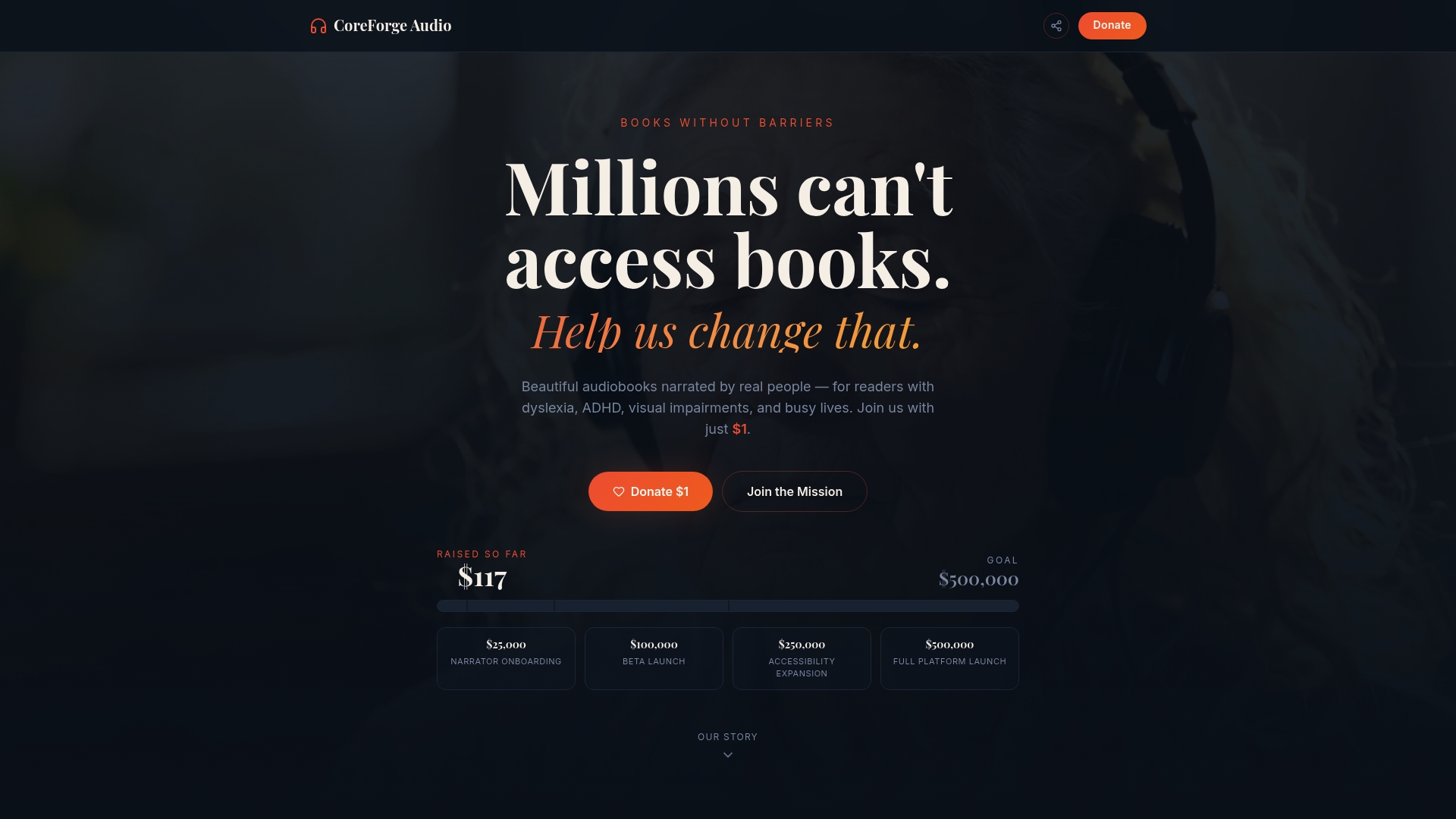
Coreforgeaudio is built specifically for people who face reading barriers, including dyslexia, ADHD, and visual impairments. Unlike mainstream platforms that treat accessibility as an add-on, Coreforgeaudio integrates dyslexia-friendly fonts, adjustable narration speeds, and multilingual support from the ground up. The platform uses human voice actors, not AI-generated audio, to deliver narration that is warmer and more engaging for extended listening. Coreforgeaudio is actively fundraising to expand its catalog and accessibility tools, with full transparency on where every dollar goes. If you want an accessible audiobook platform built around your needs rather than retrofitted for them, Coreforgeaudio is worth exploring as your next step.
FAQ
What is the best audio platform for dyslexia?
Speechify is the strongest option for dyslexia because it combines real-time word highlighting, OpenDyslexic font support, and adjustable narration speeds up to 9x. These features directly address the visual tracking and comprehension challenges that dyslexic readers face.
Do accessible audio platforms offer disability discounts?
Speechify and Speechable both offer trust-based disability discounts of up to 50% with no documentation required. Audible and Audiobooks.com do not offer disability-specific pricing but provide free trials.
Can I use Spotify as an accessible audiobook service?
Spotify includes audiobooks in its Premium subscription but lacks real-time text highlighting and dyslexia-friendly fonts. It works for casual listening but falls short of dedicated audio platforms for accessibility when comprehension support is the priority.
What is the difference between a TTS tool and an audiobook platform?
TTS tools like NaturalReader and Speechable convert your own documents, PDFs, and web pages into audio. Audiobook platforms like Audible and Audiobooks.com provide a catalog of professionally narrated titles. The right choice depends on whether you need to listen to your own content or a publisher's catalog.
Which platform works best with screen readers for visual impairment?
Audible integrates with Alexa for full voice navigation and supports iOS VoiceOver and Android TalkBack. Speechify also works with screen readers and offers high-speed narration that reduces listening fatigue for visually impaired users.